
“I don’t hate my fellow man, even when he’s tiresome and surly and tries to cheat at poker. I figure that’s just a human material, and him that finds in it cause for anger and dismay is just a fool for expecting better.”
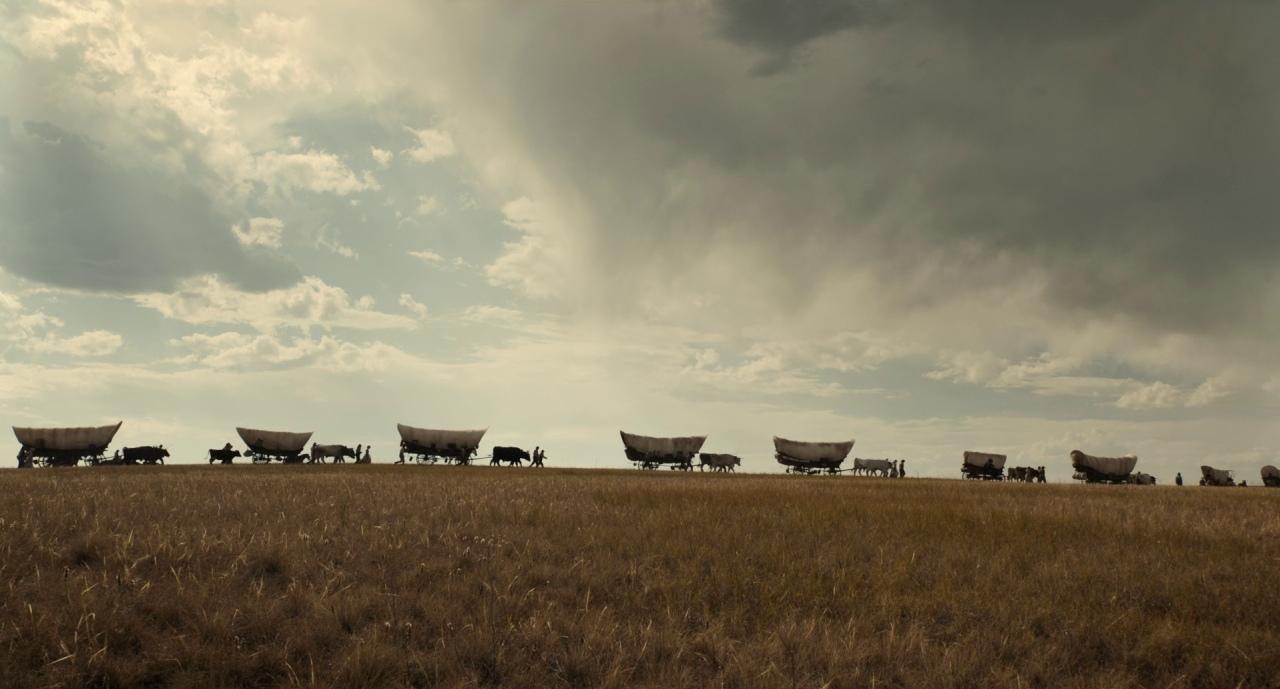
It often takes me two viewings to appreciate a Coen Bros. film. With The Ballad of Buster Scruggs it took two minutes. I usually prefer the Coens when they’re perfecting genre and wrapping it in a bright and shiny sheen. Here, the weirder it got the more I wanted to thank them for this gift of a film. The sheen was just a bonus. While each of the stories embrace the harshness of the west in uncompromising ways, that only emphasizes the joy of living life while we have it. It’s one of their most likable films, though the actual events would suggest the work of a misanthrope.
Most anthology films are a series of short films built around a common theme. Most have a similar dramatic structure in terms of set-up and payoff and you end up taking an average of the good ones and the bad ones. The beauty of Buster Scruggs is in the way the stories fit together as a single piece, and where I have a fascination with how the story’s structure and tone change as one flows into the next. Now that Joel and Ethan have worked solo it’s easy to see how this starts like Ethan and becomes more Joel with each story. Brief, verbose and surreally funny beginnings become dark, contemplative and unfriendly. (The hinge swings in story #3, “Meal Ticket” which initially looks like a deadpan comedy until you figure out what’s going on along with the limbless young man who is learning it at the same time.)
The Coen. Bros had 4 features this decade. I’ve seen True Grit a few times and I rewatched Inside Llewyn Davis, but it’s no contest for me. This is their finest work, one that joins all their goofiest and darkest ideas into a cohesive whole, with the highest degree of technical skill.
“You know the story, but people can’t get enough of them, like little children. Because, well, they connect the stories to themselves, I suppose, and we all love hearing about ourselves, so long as the people in the stories are us, but not us. Not us in the end, especially.”

Leave A Comment