
“We must stop the killing, or lose the war.”
Quote from: Roger Ebert – “It is gruesome, sickening, disgusting, violent, brutal and appalling. It is also (excuse me for a second while I find my other list) brilliantly crafted, funny, droll, and savagely merciless in its satiric view of the American consumer society. Nobody ever said art had to be in good taste. You may be asking, how can I defend this depraved trash? I do not defend it. I praise it.”
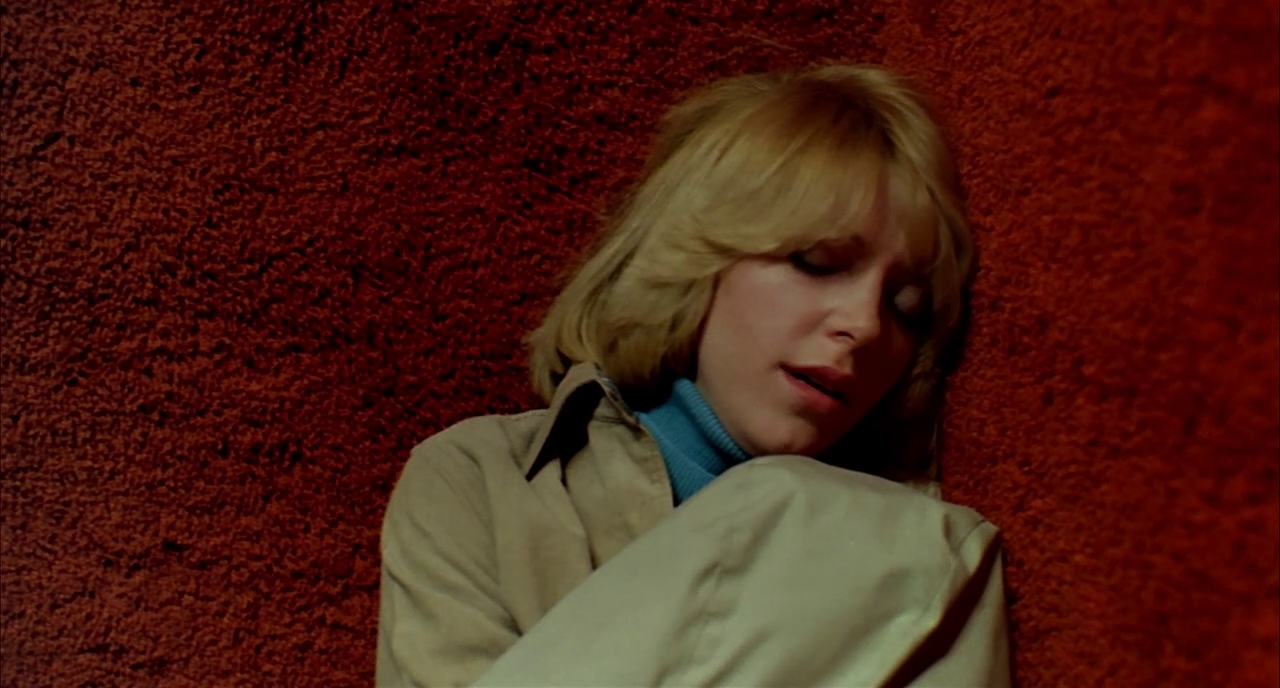
I don’t believe George A. Romero had any idea how much he was going to exceed his ambition when he sat down to write Dawn of the Dead. On the surface this is a grindhouse style exploitation movie and even if that was all it would still be a superior example of trash cinema. He picks up the zombie apocalypse at the crisis point, the moment when the epidemic has become so great that everyday citizens flee in panic while military and militia-minded make every day a hunter’s holiday. Never mind the mall mentality that’s the heart of this wicked satire, Romero uses the news station opening to create a microcosm for civilization’s rapid collapse into anarchy.
Peter: They’re after the place. They don’t know why. They just remember. Remember that they wanna be in here!
Fran: What the hell are they?
Peter: They’re us, that’s all.
Dawn is really an action/adventure. It’s the original Die Hard, with the undead standing in as the bad guys. (They’re not smart, but they’ve got large numbers and pop out unexpectedly.) Romero captures the sheer joy specific to adventure. There is something hilariously American about having your own shopping mall full of guns, products, and living targets With every aspect of the American dream – except notably a church – crammed into one building so large you could drive through it. (Like in The Blues Brothers). Who didn’t want to slide down the space between escalators? Eat what you want without having to pay and never wait in a line?
There’s a lengthy set piece where our four heroes block the doors with large trucks, and it’s every bit as exciting as The Wages of Fear. It’s also humorous as they plow through brain-dead roadkill, and ultimately tense and frightening as the zombies become increasingly agitated. The zombies themselves come in all shapes and sizes. Many wear uniforms of work or leisure. They become the target of slapstick humor and sometimes they’re almost completely forgotten about while our heroes carve out a new indulgent lifestyle for themselves.
Romero doesn’t just comment on consumer culture. His script tackles class differences (“The only person who could ever miss with this gun is the sucker with the bread to buy it.”), race, family values, the credibility of supposedly intelligent people in a time of great crisis, and Feminism. The four leads aren’t great actors, but they’re all really great in their roles. They don’t hammer the issues, but deliver the lines in a matter of fact way that would make Howard Hawks proud.
Along with all of that, I don’t want to sweep under the rug the numerous violent highlights, mainly because Dawn has the best zombie gags of any film in the genre. There are numerous headshots, a couple of which are full explosions. A couple of disturbing neck bites, a complete disembowelment, a screwdriver to the ear and a helicopter gag that is inarguably the greatest zombie kill ever. Most of this is concentrated in the first and last twenty minutes because Romero isn’t putting on a geek show. He even makes the blood a more theatrical shade of red
The mood of the film is helped considerably by one of the most unusual scores of all time. There’s a bunch of canned source music, some of which is so rah-rah American it gets a bit silly. There’s also a great polka tune, “The Gonk”, that becomes the main muzak for the mall. The Goblins contribute the main six-minute synth theme along with some other bits. It’s pretty unforgettable. Added to that is a personal favorite of mine, an African chant entitled “Safari” that plays when they’re in The Gunner’s Den loading up on weapons. Romero employed a very simple visual strategy of static frames and really great editing. It’s far from flashy, but it is well composed and with so much happening, the last thing this film needs is flashy camera moves.
Leave A Comment